
Currently rebounding from the impacts of 2020, Morocco is one of the world’s fastest developing markets. Over the past decade, Morocco improved by more than 50 places over its original position in the World Bank’s Doing Business ranking.
In 2012, the Ziegler Group believed in the potential of this market, mainly due to its proximity to Europe, and decided to make concentrated efforts to further develop its services in Morocco by investing in a new building in Casa Blanca and by creating more connections and solutions for customers regarding trade between Europe and Morocco.
Over the past years, Ziegler Morocco made great progress in facilitating additional trade with Europe. Cooperation between strategic hubs in Bordeaux, Paris, Rekkem and Lyon allows us to provide expertise and services between these locations.
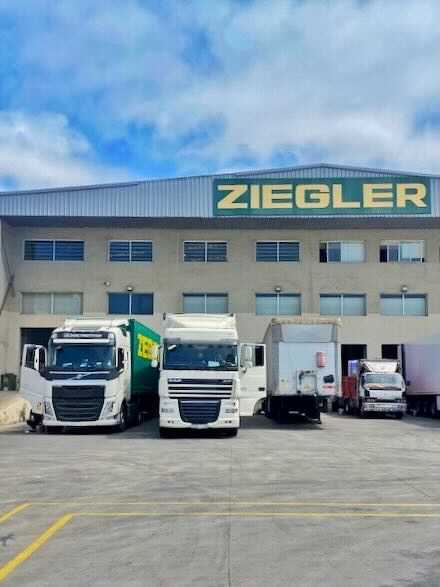
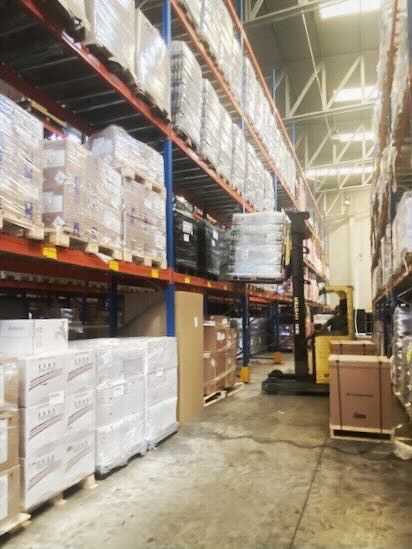
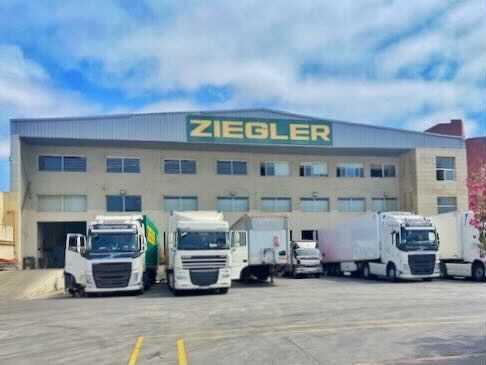
With more than 30 employees, a combination of own trucks and subcontractors, Ziegler Morocco’s facility offers a warehouse and storage area of 5,000 m2. We also have a secondary logistics warehouse of 4,000 m2.
Our most transported goods are imported goods such as food and pet foods but also pharmaceutical products or automotive parts. Currently, we are very active on the Ghent-Morocco line and have the capacity to manage transports of goods every Thursday along this lengthy route.
There is no set amount of departures per day, everything is scheduled according to groupage, but there are several arrivals and departures per week. Track and Trace visibility will be available soon.
Our employees’ ability to speak both French and English is one of our major capabilities and gives us a key advantage regarding trade between both continents. We are certified in security management systems for our supply chain (ISO 9001 and 28000). In addition, we are currently working through the process of becoming an Authorized Economic Operator for the customs administration as well as the General Directorate of Customs.
Due to high costs and complex procedures, most companies shrink away from training their drivers and many carriers do not comply with the requirements for DGR goods. However, being organised and respecting rules as well as procedures creates added value and Ziegler Morocco is proud to be one of the few carriers that adhere to these high standards.
Although the effects of COVID-19 hit hard on the larger economy, Ziegler Morocco was not overtly affected due to their recent digitization initiatives and their high usage of Ziegler Group’s tools.
When considering a carrier, you should know that Ziegler Morocco was established in 1986 and was the first international carrier available in Morocco. We are a very family-friendly local establishment and share the same philosophy and company policy as every other Ziegler institute. We provide tailor-made solutions that not many other organizations can provide. Ziegler Morocco has a lot of flexibility and the experience needed to always look after our clients and to find solutions even when it does not seem possible.
Contact us for more information
Ziegler Group Unveils Cargo Bikes for Last-Mile Deliveries in Brussels.
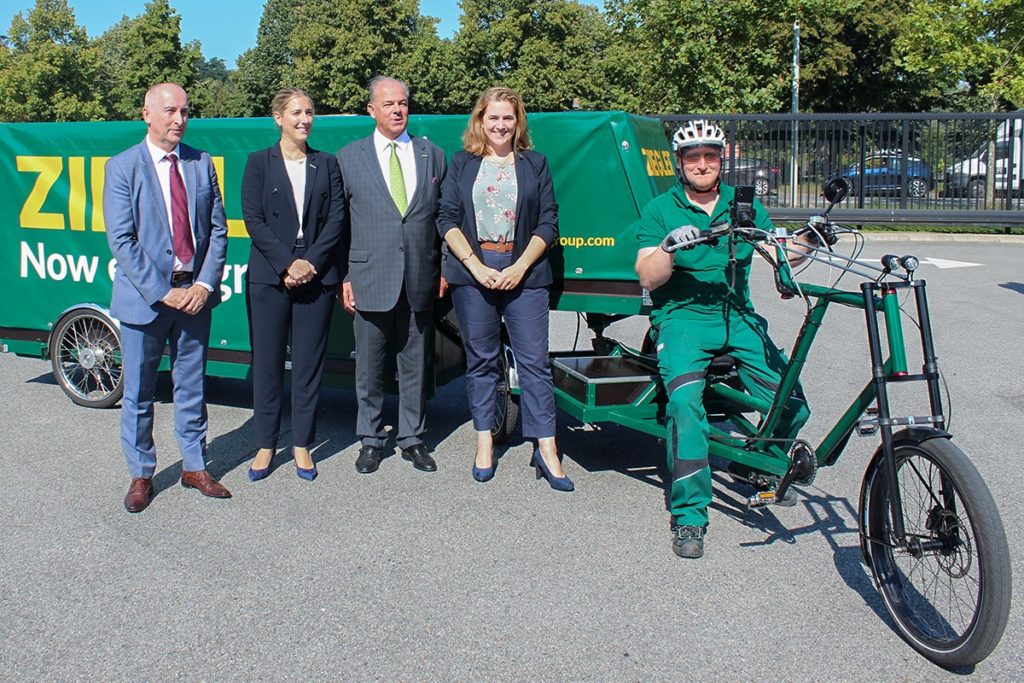
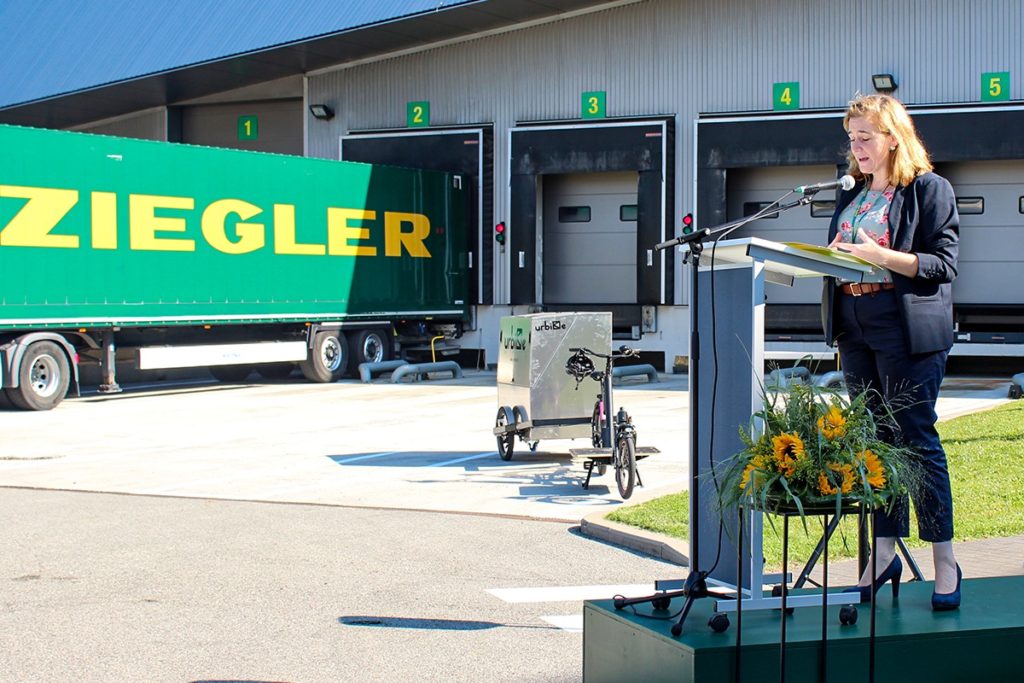
On Friday, September 3, 2021, Diane Govaerts, CEO, and Alain Ziegler, President of the Ziegler Group, welcomed Elke Van den Brandt, Minister of the Government of the Brussels Capital Region, responsible for Mobility, Public Works, and Road Safety to the Ziegler Group headquarters in Brussels on the occasion of the official presentation and launch of the Ziegler’s Cargo Bike XXL.
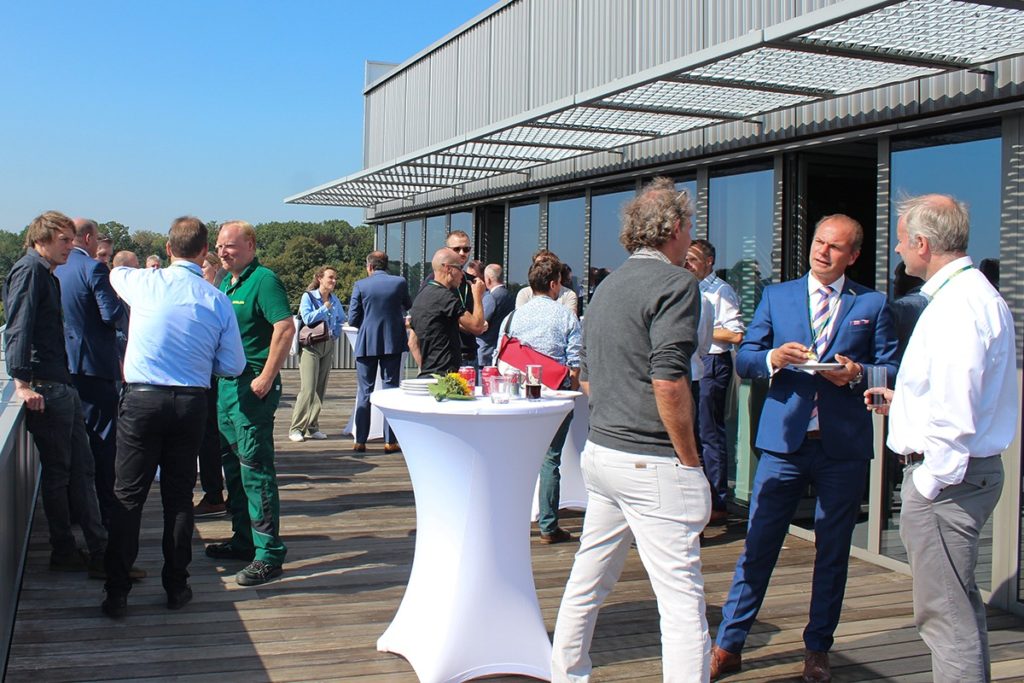
The event brought together some fifty personalities, including representatives of the City of Brussels, customers, and partners within Ziegler’s network who are at the forefront of ecology and sustainable development and who can testify to the Group’s ambitions in the field of renewable energy.
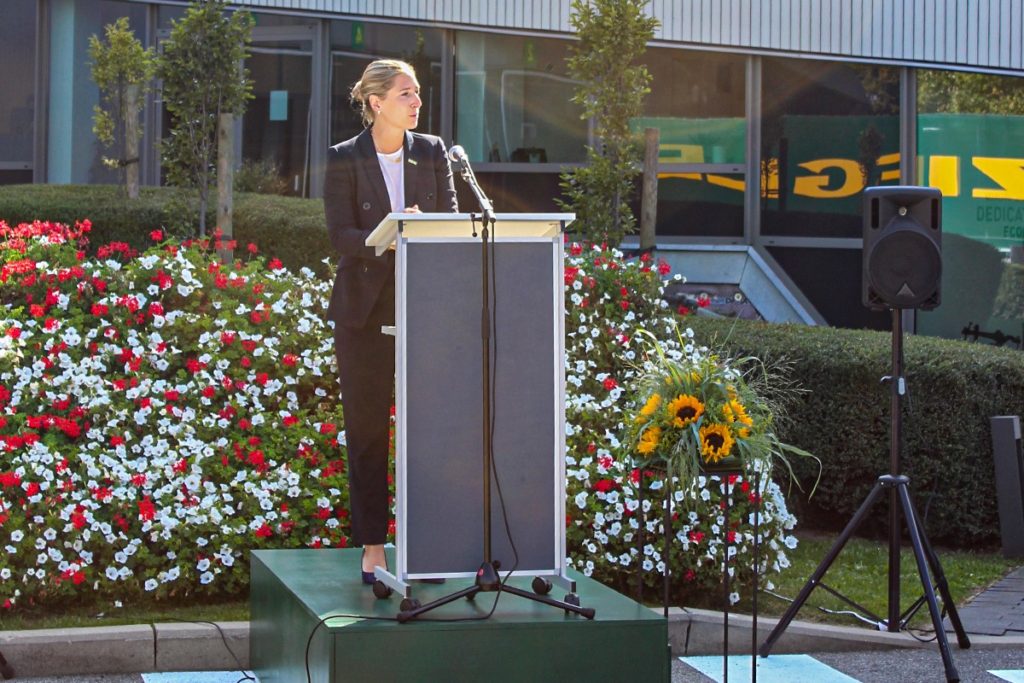
Diane Govaerts, first of all, cited the Group’s initiatives to reduce its ecological footprint thanks to the “Ziegler – Now even Greener” program.
Johan De Brauwer, Country Manager of Ziegler Belgium – Luxembourg, explained that the idea of the Cargo Bike was born in November 2020 during a brainstorming session dedicated to the theme of last-mile delivery and sustainability, the premise being that vehicles intended for urban distribution should become smarter, cleaner, quieter and smaller in order to improve the quality of life of the city, its inhabitants and its businesses.
The Cargo Bike is an already well-known concept and the Group immediately wanted to distinguish itself from other logistics players by offering a Cargo Bike large enough to make many more deliveries in one day than a distribution truck.
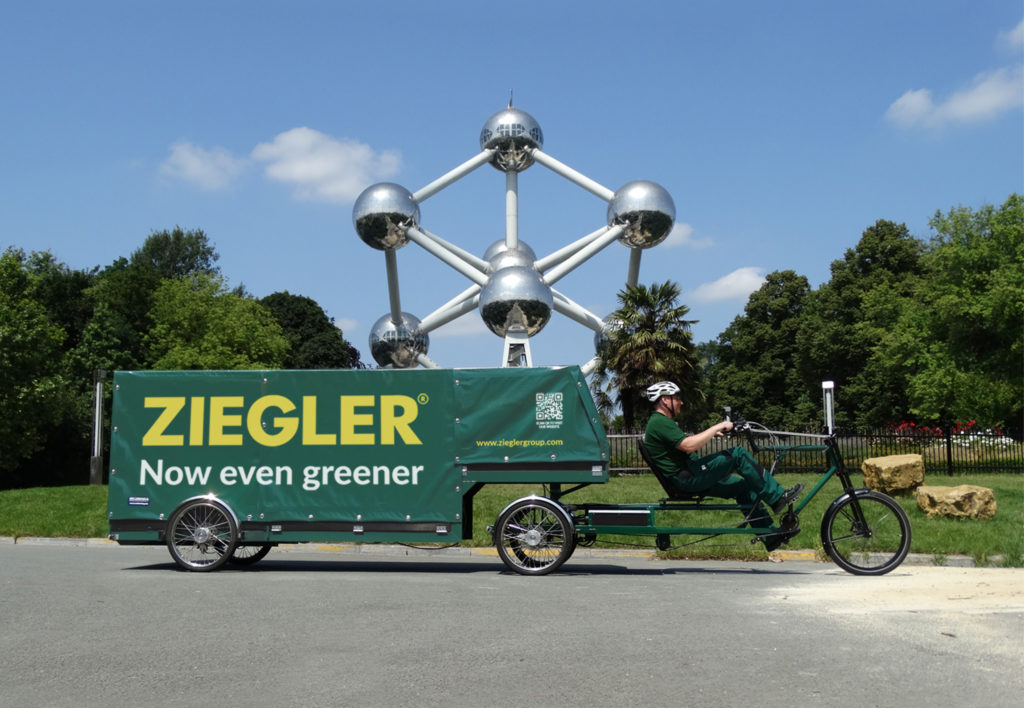
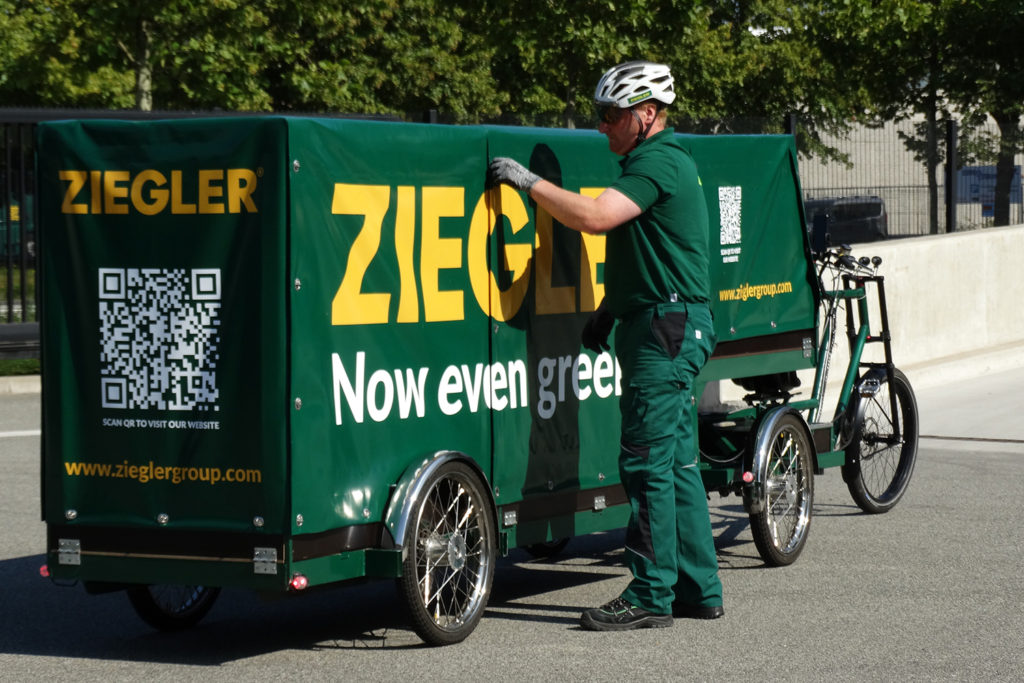
Specially designed for Ziegler, the Cargo Bike XXL offers a payload capacity of 500 kg / 4.3 m3 in the form of a 6.5 m tri-bike and trailer.
On January 30, 2021, the project was presented to the Brussels Capital Region and the City of Brussels and received their enthusiastic support.
In June 2021, the first experiments were successfully launched from Ziegler’s Brussels facilities, Vilvoordsesteenweg for distribution in the city center of Brussels.
From the outset, this pilot project aroused the interest of a large audience and generated high levels of engagement and support on social media.
In order to make even more stops and deliveries and to be closer to the city center, a partnership was established with the Interparking group to create the first microhub in the center of Brussels, in the Albertine parking lot near the Sablon. An electric truck shuttle connects the main platform with this microhub. From there, the Ziegler Cargo Bike operators load their trailers for their morning trip. In the afternoon, they return to load their second round.
In this way, the Cargo Bike XXL from Ziegler Group can make up to 50 stops a day, while a conventional distribution truck makes an average of only 25 stops a day.
Several Cargo BikesXXL will gradually be deployed in Brussels and the handling of small parcels will be entrusted to partner Urbike.
The Cargo Bikes XXL will also take the used packaging of the delivered goods which will then be sorted by Ziegler, always in line with Ziegler’s sustainability strategy.
This concept will be replicated in other cities in Belgium, starting in Bruges, Knokke, and followed by Antwerp, Ghent, and Leuven. And then in many different European countries where Ziegler Group is based.
With the Cargo Bike XXL, Ziegler intends to contribute to smart and more sustainable urban logistics The slogan “Ziegler – Now even Greener” has never been more relevant.
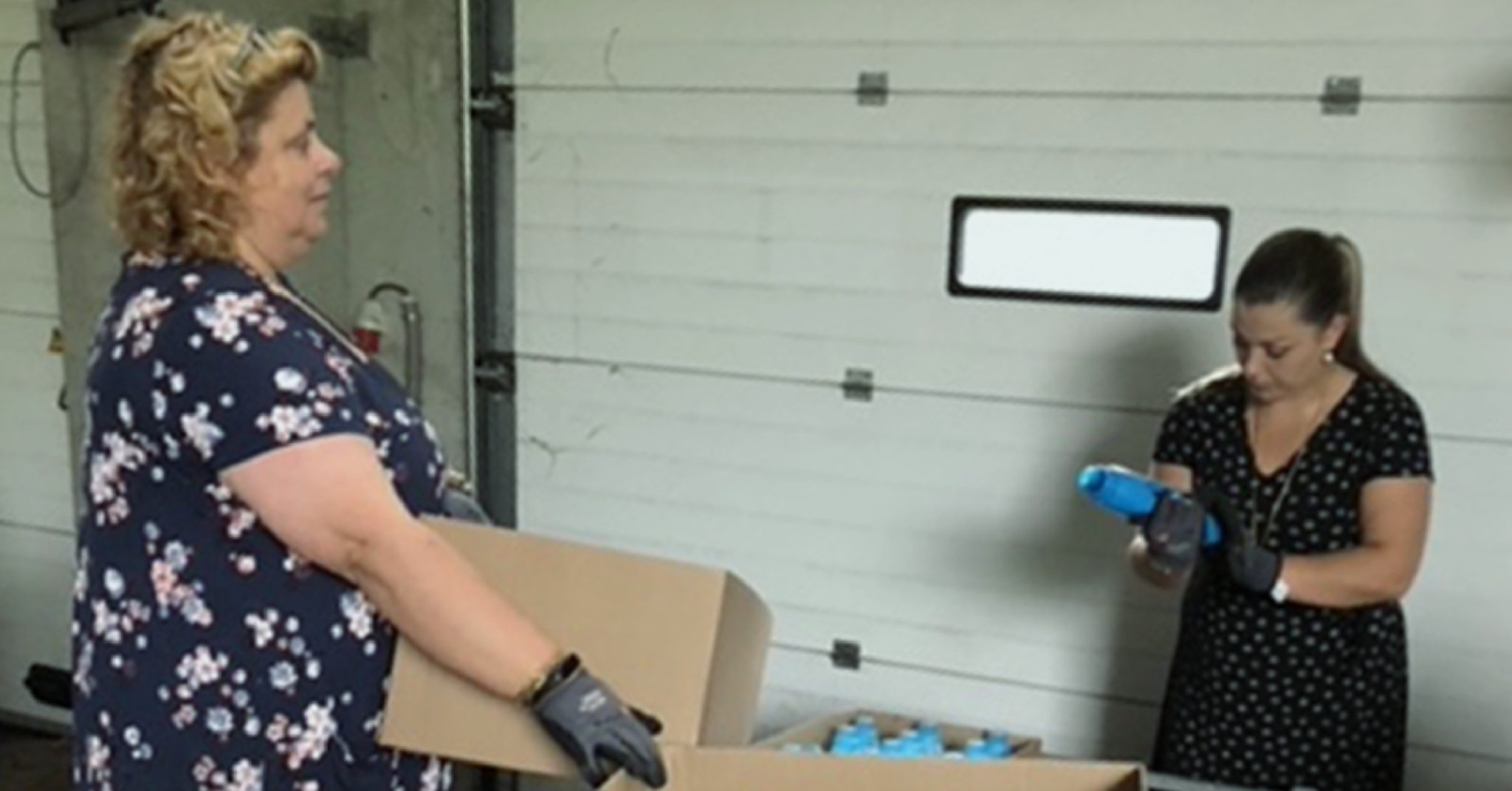
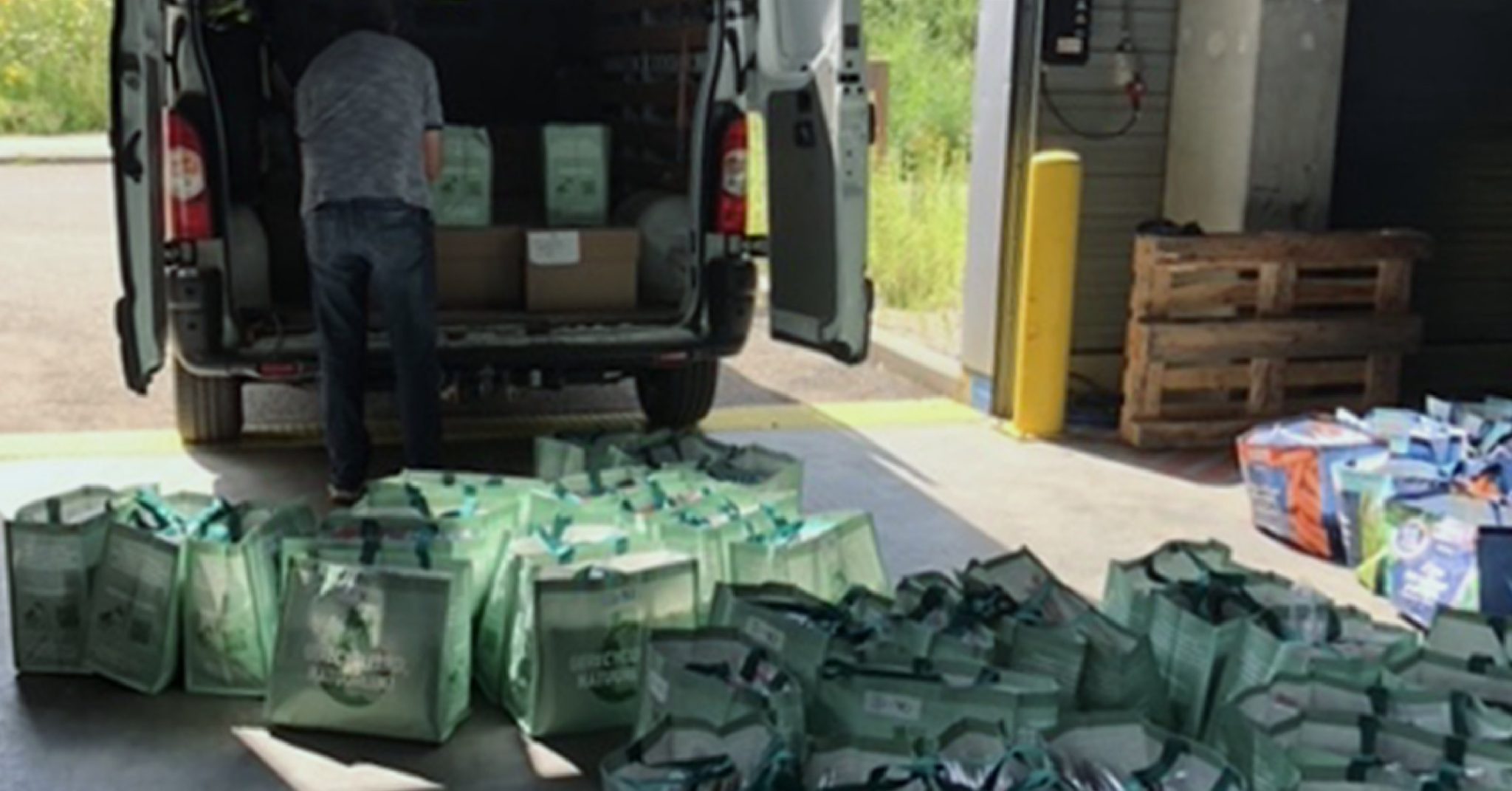
During the horrific floods that struck Wallonia in Belgium, the efforts by the Red Cross to get aid and basic necessities to the residents were supported by Ziegler Welkenraedt, located only a few kilometers away from the affected area.
When disaster struck, the branch manager of Ziegler Welkenraedt – Mr. Jean Luc Cobus – volunteered their storage areas for the relief efforts. The proximity of Ziegler Welkenraedt to the town of Liège made it ideal for the Red Cross to stage and deliver supplies quickly.
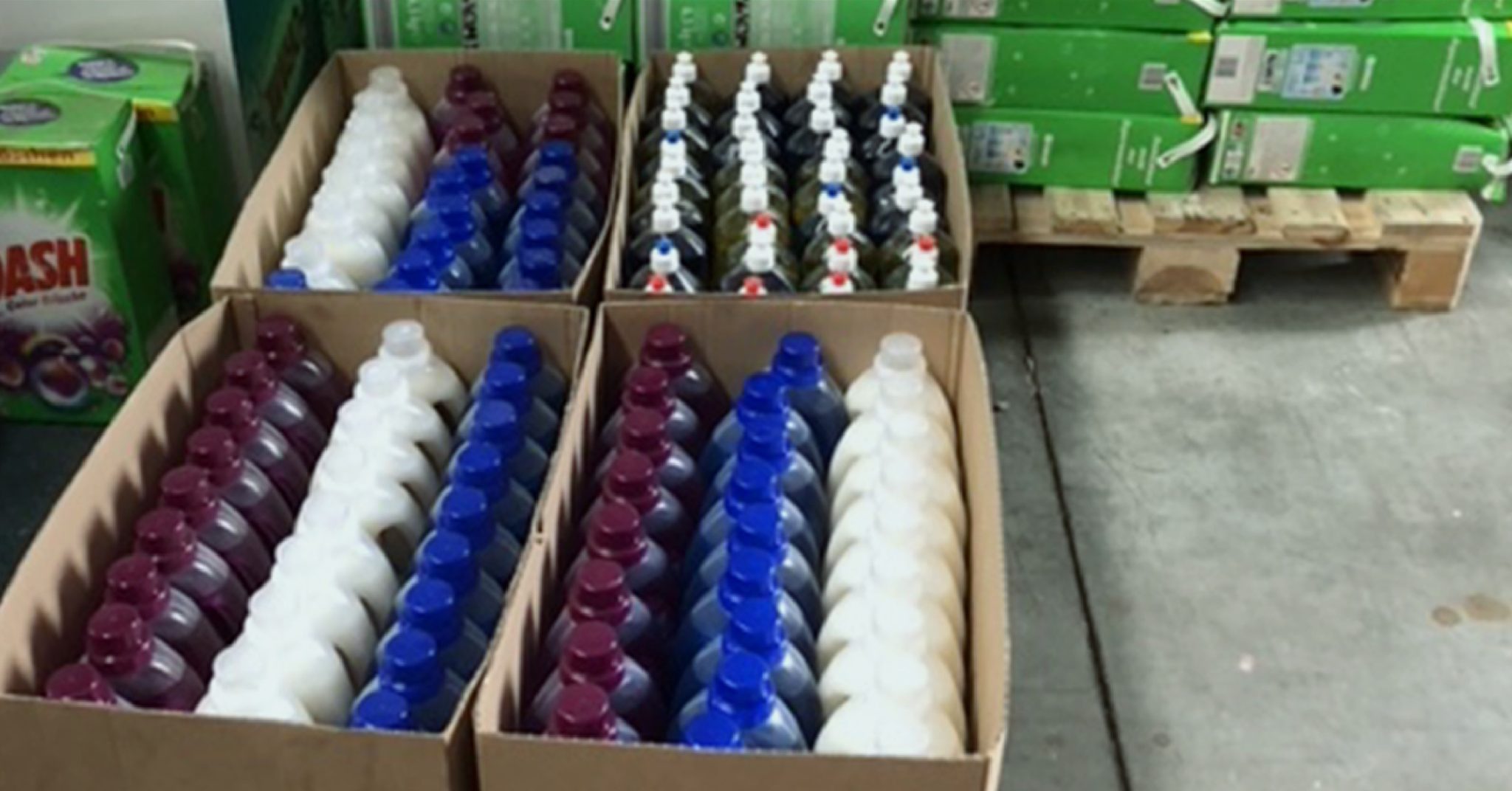
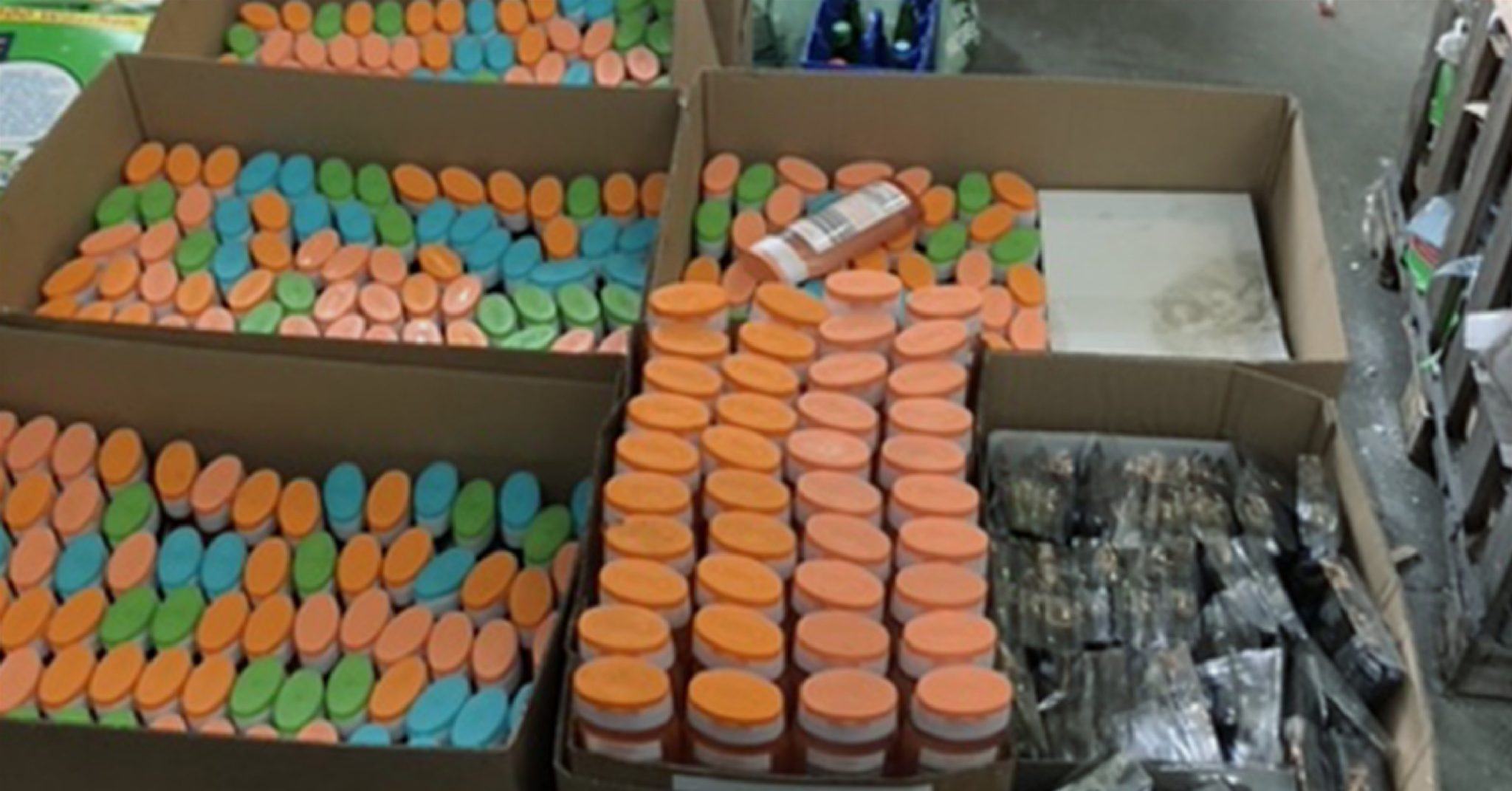
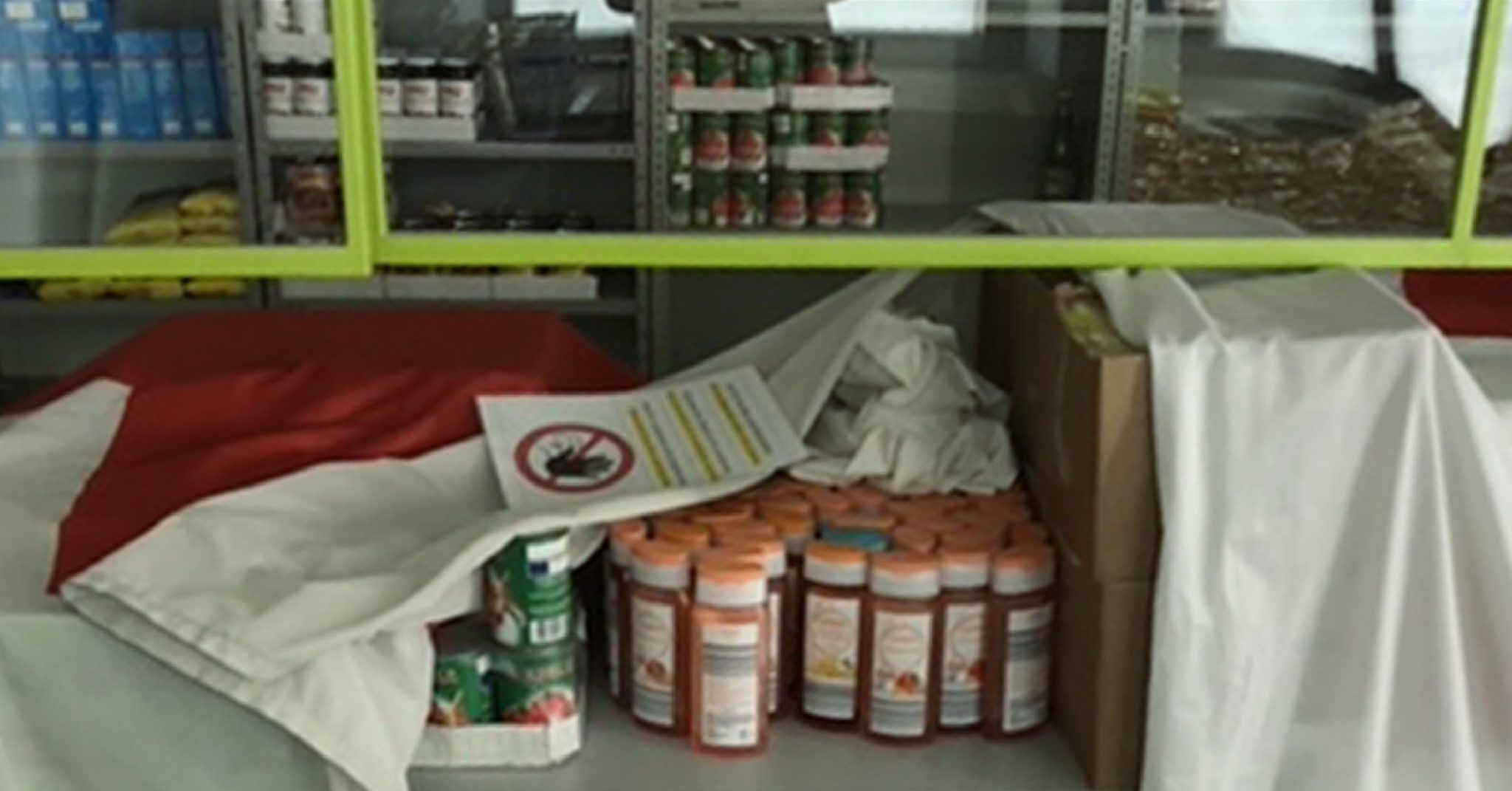
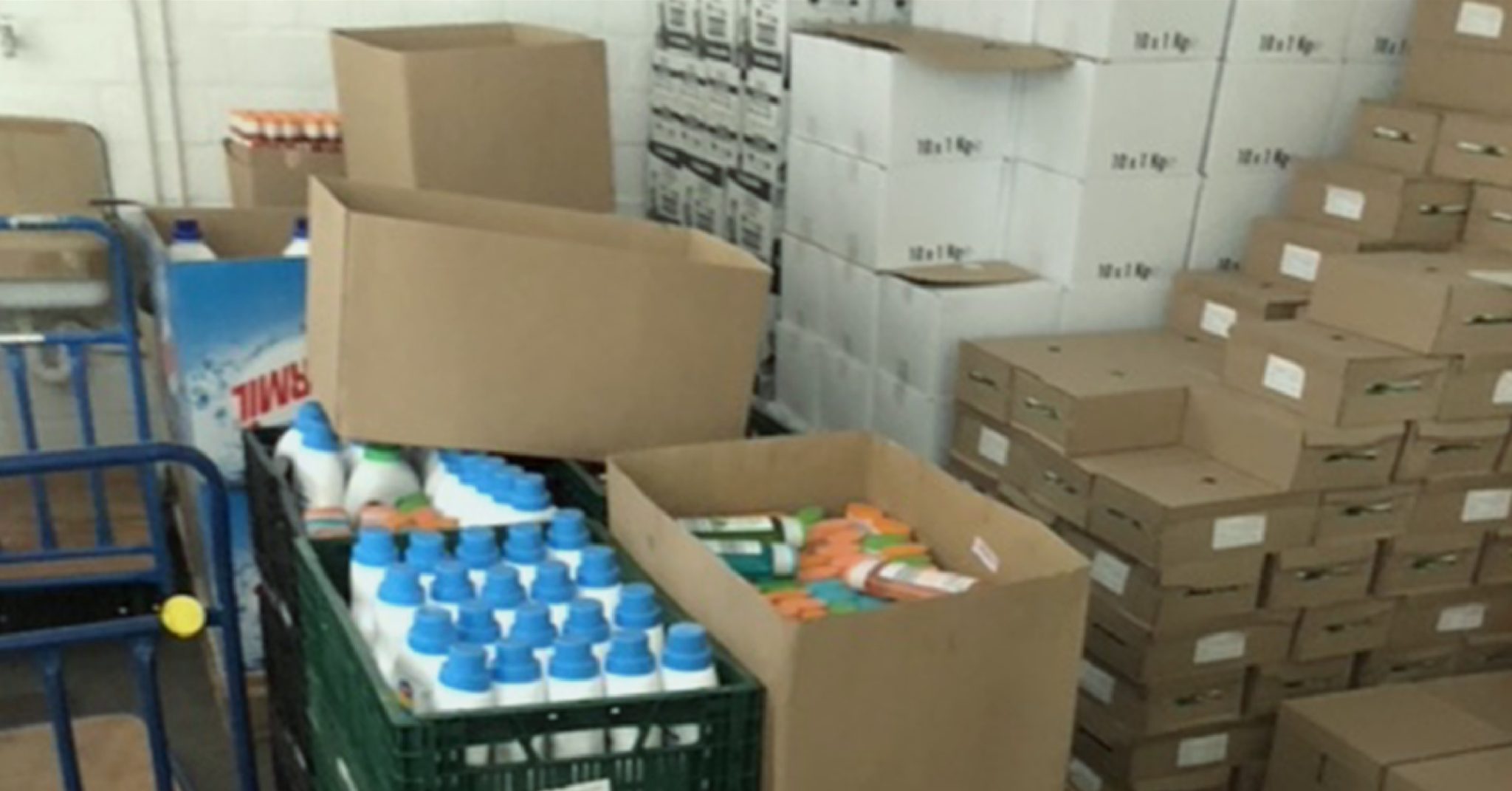
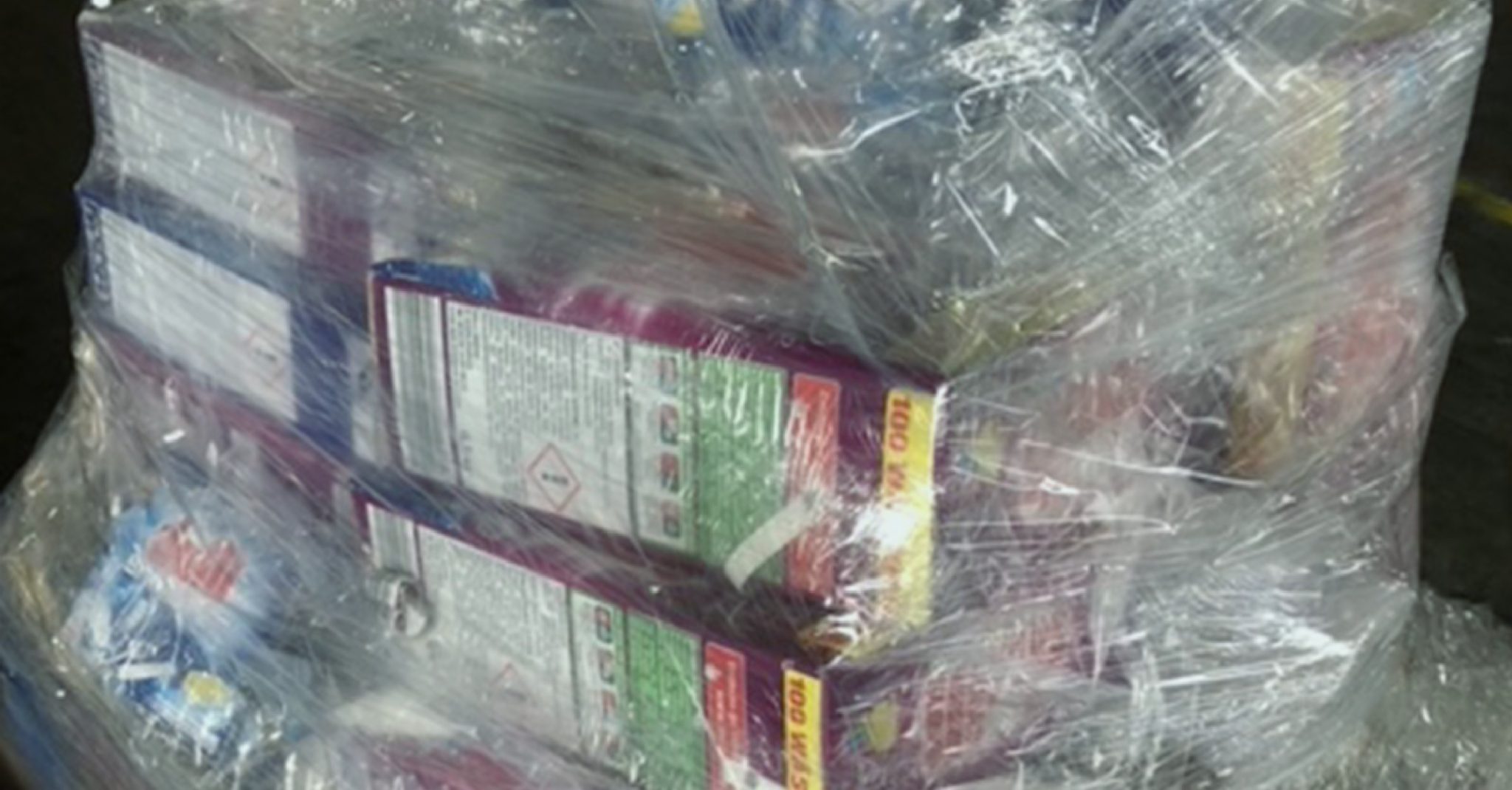
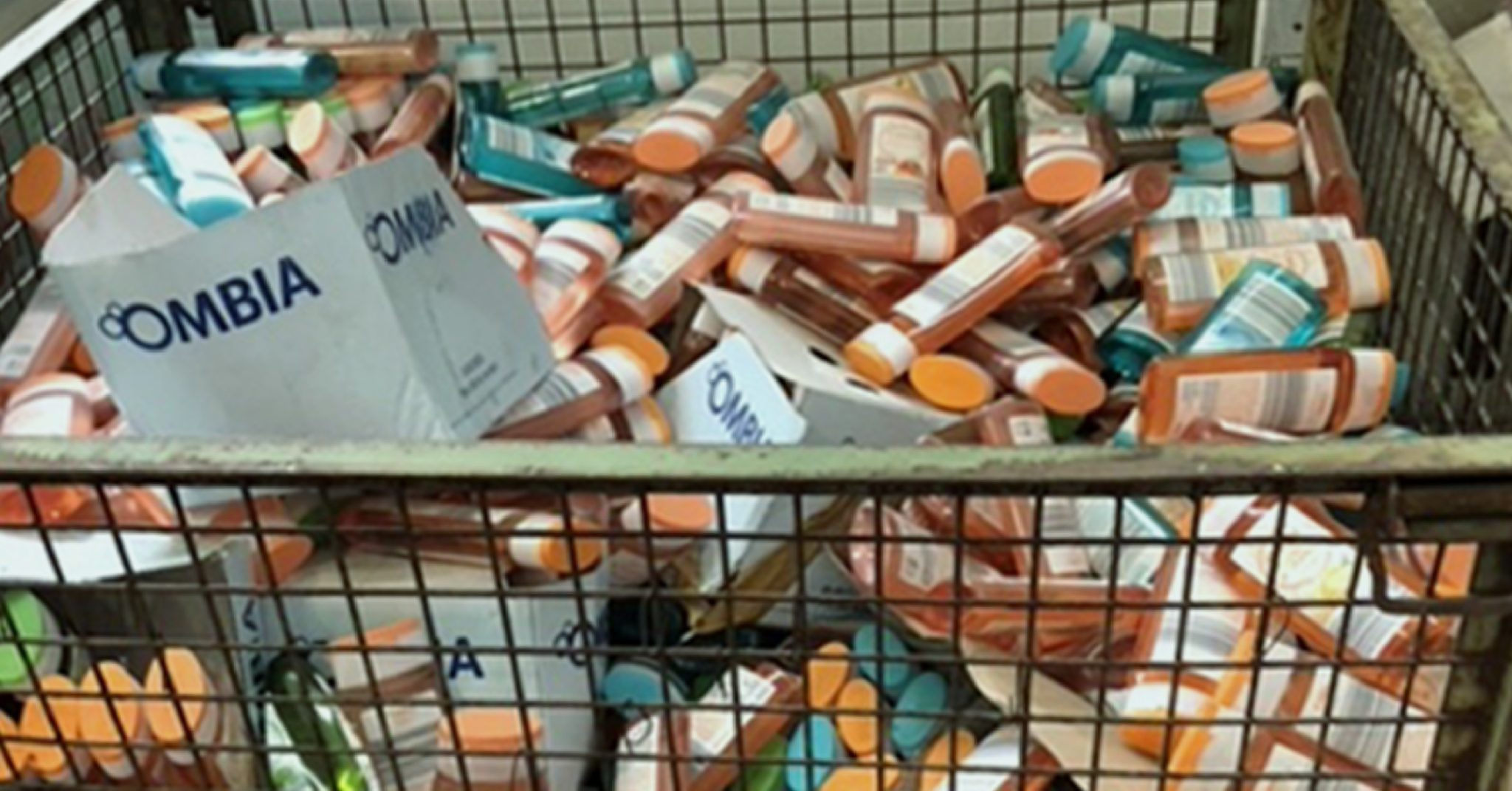
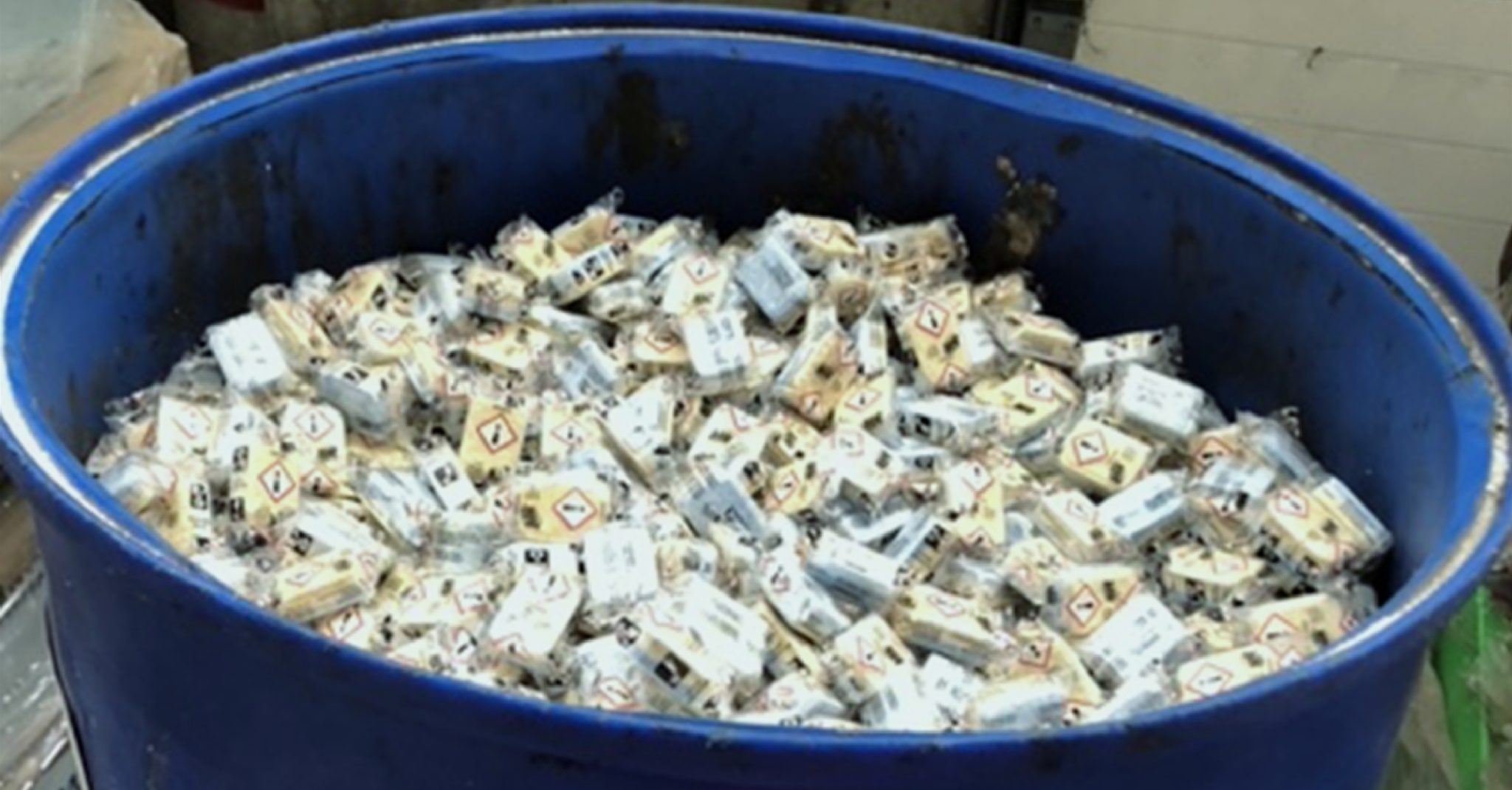
The Red Cross was able to use the facilities over the course of over a month and still going on, and Ziegler Welkenraedt found yet another way to help. Some Ziegler clients had stock in the warehouse with many products that could be very helpful for the relief efforts. There were pallets of soap, laundry detergents, and other products being stored on behalf of their clients.
So the staff of Ziegler Welkenraedt called clients to explain the situation and ask for help by donating some of their stock that could be used to help the citizens of the affected areas.
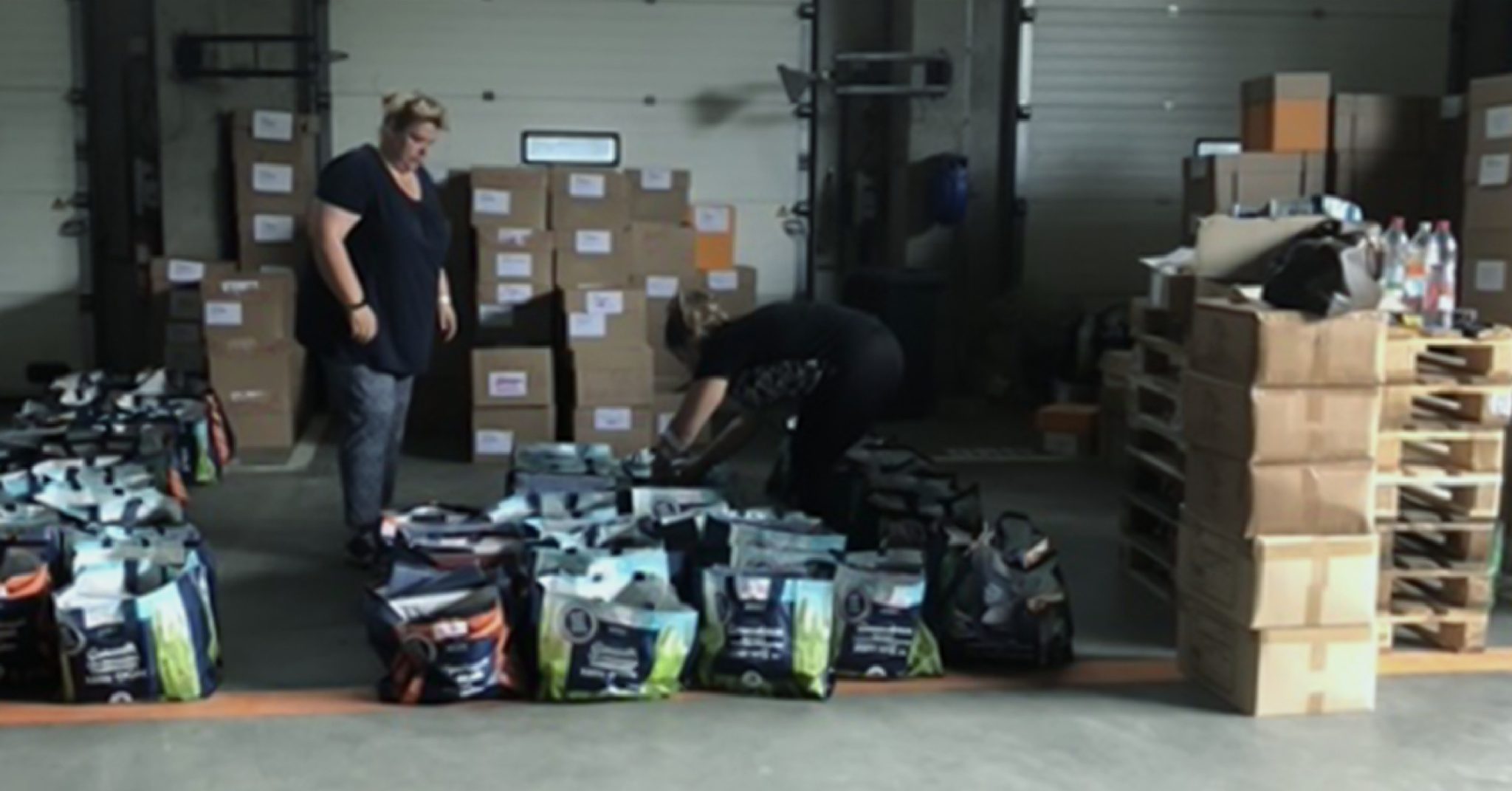
Thanks to generous clients who immediately agreed to donate products, the Red Cross volunteers together with the staff at Ziegler Welkenraedt ensured that those affected by this tragedy were able to get essential items they needed.
“Ziegler Company helped us out by volunteering a storage area at our disposal. Thank you also to the Ziegler team, who despite their daily work, was very helpful. This is a great gesture of humanity on your part.” Linda Hermanns – Food Bank of the European Red Cross.
Although we are all responsible to work together to reduce emissions and improve the environment, changes that logistics companies can make are especially significant due to the nature of our industry. As technologies are developed that make it possible for us to make those changes, we are determined that Ziegler Group will be at the forefront of our industry in this area.
We strongly believe that small, everyday actions such as reducing office paper consumption are just as vital as the large undertakings regarding fleet investments and company infrastructure.
This is why we have launched the ‘Ziegler. Now even greener’ program. By integrating our environmental initiatives, we can transform our organization more seamlessly and efficiently while multiplying the positive effects for the environment, our people, and our company.
We’re proud of the progress we’ve made, and we thank everyone who has somehow facilitated, encouraged, and contributed to these activities. But, this is just the start of the transformation we envision. We will accomplish much more together!
We would like to introduce the Ziegler Sustainability Report, which gives an overview of how Ziegler Group is currently taking specific actions to make positive contributions to the environment.
When exporting or importing goods, sooner or later you are always confronted with the term ‘Incoterms‘. Many customers already know and understand it very well while some have only heard of it recently. However, there are also those who have less experience with trading goods and may not understand these industry-specific symbols and do not know how to read them. Let’s dive in and make sense of these so we can understand which options are best for your situation.
‘Incoterms’ is the abbreviation for ‘International Commercial Terms’, which are the set of international rules that define the terms of sale and are accepted and applicable worldwide. These rules define the cost and responsibility breakdown between buyer and seller and reflect the type of transportation that is agreed upon.
Incoterms were first published in 1936 and have since been revised several times. The most recently published version is Incoterms 2020.
The rules, as currently formulated, apply in both international and domestic commercial settings.
Incoterms 2020 rules clarify who is responsible for specific costs and stages of transport (loading, unloading, insurance, etc.) Each set of rules is identified by a three-letter abbreviation.
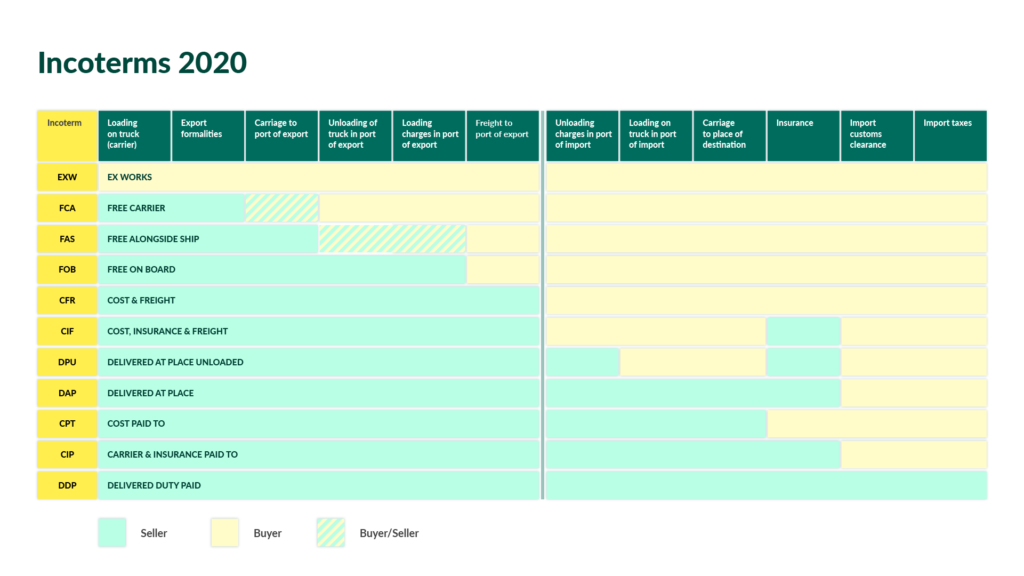
Now to explain the specific stipulations each rule below:
- EXW (Ex Works) – applies to any form of transportation. Compared to other Incoterms, here the seller has the fewest obligations. Delivery is considered to have been completed when the goods are deposited at the place agreed on by the buyer. From then on, the buyer is responsible for arranging further collection, loading, unloading, transportation and all import, export and transit procedures.
- FCA (Free Carrier) – applies to multimodal transport. The seller is responsible for the goods and related costs until they are delivered to the designated place of unloading and handed over to the carrier for unloading. Responsibilities and costs related to unloading, loading, shipping, insurance, customs and tax formalities are covered by the buyer.
- FAS (Free Alongside Ship) – applies to inland and sea transport only. In this agreement, the buyer takes responsibility for all costs and risks associated with the transport of the cargo from the moment the goods arrive at the side of the ship. This means that the seller is not obliged to organize the loading of the goods onto the ship, and the buyer is responsible instead.
- FOB (Free on Board) – used only in inland waterways and ocean transportation. Extends the seller’s responsibility under the FCA rule to include loading onto the ship. From the moment the goods cross the ship’s side, all costs, risks, and insurance issues are passed to the buyer. FOB is the most popular Incoterms rule for imports from China.
- CFR (Cost and Freight) – CFR is implemented only for sea and inland waterway transportation. The seller is responsible for the goods and costs until the goods are delivered to the port of destination. Unloading, further loading, delivery to final destination, insurance, import costs and customs and tax formalities are the responsibility of the buyer.
- CIF (Cost, Insurance and Freight) – applies to sea or inland waterway transportation. The rules are very similar to CFR, however the cost and responsibility of insurance is transferred here from the buyer to the seller (until the goods reach the port of destination).
- DPU (Delivered at Place Unloaded) – this rule replaced DAT from Incoterms 2010. It applies to all forms of transport. DPU requires the seller to unload the goods at the destination port. However, further loading and delivery to the final destination as well as import costs and customs and tax formalities are the responsibility of the buyer.
- DAP (Delivered at Place) – may refer to various forms of transportation. The seller is responsible for the goods and associated costs until they are transported to the designated location. Clearance costs and import tax are the responsibility of the buyer.
- CPT (Carriage Paid to) – can be used for multimodal transport, combining several types of transport. The seller is obliged to bear the costs of transportation of goods to the specified destination. On the other hand, the buyer is responsible for insurance, import costs and customs and tax formalities.
- CIP (Carriage and Insurance Paid) – this rule is used in multimodal transportation. The seller takes responsibility for the goods up to the final destination and also pays for insurance up to that point. The buyer, on the other hand, is responsible for meeting import duties and taxes.
- DDP (Delivered Duty Paid) – applies to any type of transportation. In this scheme, the greatest responsibility and cost, including insurance and duty, is the responsibility of the seller.
Depending on what the buyer’s and seller’s needs are in this regard, appropriate Incoterms rules are selected for each transaction. The choice should take into account pricing, logistical requirements, and the willingness of each partner to bear different costs.
Ziegler consultants are always happy to advise you on choosing the best Incoterms for your company and specific transactions. Contact us and discover what we can offer you.
A revolutionary, eco-friendly freight solution for Brussels.
With city centers throughout Belgium increasingly restricted to larger vehicles, Cargo Bikes are the future for urban delivery vehicles. Cargo Bikes are being welcomed with open arms by cities across Europe and the Ziegler Group is actively involved in introducing this solution, starting with Brussels.
Cargo Bikes – More efficient in city centers and pedestrian zones!
- No traffic jams
- Zero emissions
- Less road wear
Ziegler’s extra-long Cargo Bikes are already in operation in Brussels. The total length is 6 meters, and the trailer length is 3.6 meters with a maximum load capacity of 500 kilos. Over the coming months, ten bikes of varying capacities will start performing last-mile deliveries in the Brussels city center.
How does it work?
Cargo Bikes fit into Ziegler’s existing distribution network with only a few specific changes. Delivery trucks bring pallets and packages to microhubs that are positioned around the city center. From these microhubs, the cargo bikes deliver goods into city center areas that have traffic restrictions. The bikes are equipped with track-and-trace, and deliveries to customers are done just like any other delivery.
Cargo Bikes allow our delivery services to make 25 stops in only two hours!
What kind of goods can such a vehicle deliver?
Cargo bikes can safely and efficiently transport various types of goods including, but not limited to: industrial goods, packages or pallets, dry food products, alcohol, clothing, and even products requiring temperature-controlled transport.
Ziegler Group is excited for the future of sustainable city transport, and Cargo Bikes will be playing a significant role in that future. Until relatively recently, existing road infrastructure did not make Cargo Bikes practical in big cities. But that is changing very quickly, not only making Cargo Bikes feasible but essential to the future of sustainable city transport.
It’s exciting to see how all involved parties are recognizing the positive impact that the Cargo Bike project represents. This is another crucial step that will make our cities less crowded and reduce the environmental impact of transport.
Learn more and order your Cargo Bike transport!
Phone: +32 02 422 2197
E-mail: cargobikebrussels@zieglergroup.com
Manufacturers of chemicals and other goods that are considered dangerous during transport need to pay extra attention to comply with all safety standards and exercise great care in their operations for social, environmental and business reasons. We understand that outsourcing this part of the business process can be particularly stressful.
Choosing a dangerous goods supply chain partner is challenging. You want to be sure that your partner is trustworthy and experienced, that the highest safety standards are as much their highest priority as they are for you, and that you can count on their support and expert advice at every stage.
Ziegler has over 30 years of experience in the transport of dangerous goods and has a network of experts in this field. Three of them – Bruno Fangon, Safety Expert at Ziegler France, Luc Van Rompaey, Dangerous Goods Safety Adviser at Ziegler Belgium, and Raphael Lang, Quality and Environment Officer at Ziegler Switzerland and Germany – explain how to transport dangerous goods and what cannot be overlooked in the process.
What goods are classified as dangerous (ADR, regulated hazardous products)?
We should start with the terminology.
ADR stands for “Accord européén relatif au transport international des marchandises dangereuses par route” and refers to the international transport of dangerous goods by road.
The IMDG Code is the international guidelines for the safe transport or shipment of hazardous materials by water.
IATA (International Air Transport Association) Dangerous Goods Regulations are used to ensure the safe transport of dangerous goods by air.
And RID applies to the international carriage of dangerous goods by rail.
For simplicity’s sake, we will use ‘regulations’ to refer to all the above.
Substances which (even in limited quantities) can cause serious damage or nuisance to humans, animals, materials and/or the environment during transport are defined as dangerous goods. They are classified this way, whether they can be hazardous alone or by coming into contact with another substance.
Dangerous goods are divided into classes based on the type of hazard they present. These classifications are made based on the physical properties of the substance. If a substance has several hazardous properties, it is assigned to the class that presents the most significant danger during transport.
The following classes occur:
- class 1 : explosives
- class 2 : gases
- class 2.1 : flammable gases
- class 2.2 : non-flammable, non toxic gases
- class 2.3 : toxic gases
- class 3 : flammable liquids
- class 4 : flammable solids; substances liable to spontaneous combustion; substances which, in contact with water, emit flammable gases
- class 4.1 : flammable solids, self-reactive substances, solid desensitized explosives and polymerizing substances
- class 4.2 : substances liable to spontaneous combustion
- class 4.3 : substances which, in contact with water, emit flammable gases
- class 5 : oxidizing substances and organic peroxides
- class 5.1 : oxidizing substances
- class 5.2 : organic peroxides
- class 6 : toxic and infectious substances
- class 6.1 : toxic substances
- class 6.2 : infectious substances
- class 7 : radioactive material
- class 8 : corrosive substances
- class 9 : miscellaneous dangerous substances and articles
It is important to remember that the classes’ numerical order is not a reflection of the hazard’s degree of severity.
A Ziegler expert will always help you make sure that your transport is carried out under optimum safety conditions and in compliance with regulations, based on the information contained in the Safety Data Sheet.
What types of dangerous goods can be transported and which cannot?
Ziegler can transport many dangerous goods including flammable liquids and solid, spontaneously flammable material or similar materials that give off flammable gases when in contact with water. We can also transport oxidizing materials (e.g. fertilizers), organic peroxide, toxic materials, corrosive goods such as acids or miscellaneous dangerous materials and objects, e.g. lithium cells and batteries.
Can each type of dangerous goods be transported by each freight type (sea, air, road, rail)?
We can globally transport dangerous goods by any type of cargo depending on customer expectations and needs, with respect to the specific requirements that exist for certain modes of transport.
When it comes to the transportation and storage of hazardous products, how well is Ziegler prepared for safety?
Ziegler is an expert in the transportation of dangerous goods. We know that in the transport of regulated hazardous products, no margin of error is allowed.
We make every effort to comply with all laws and regulations regarding the transport of dangerous goods in any mode of transport and during temporary storage and transhipment. Each driver who comes into contact with hazardous materials always has up-to-date ADR training. Employees of operational, commercial and other departments are also trained in it.
Ziegler’s vehicles are equipped to transport hazardous materials, are compliant with related regulations, and are subject to periodic inspections. Our Dangerous Goods Safety Advisors prepare an annual report on the company’s performance in this area for our management and local public authorities. SQAS (Safety & Quality Assessment for Sustainability) assessments have been carried out at several of our sites. SQAS is a system of uniform assessments conducted by third parties to evaluate the performance of logistics service providers and chemical distributors. SQAS assessments cover quality, safety, security, environment and CSR (Corporate Social Responsibility) and is coordinated by the CEFIC (European Chemical Industry Council).
Last, but definitely not least, is our IT support, which is designed to support our stringent safety measures. Our system guarantees notifications for prohibited products, has an automatic monitoring system, alerts, products nomenclature and route notes creating options.
When it comes to storage, different regulations apply to the storage of dangerous goods than to transport [The Regulation (EC) No 1272/2008 on the classification, labelling and packaging of substances and mixtures (CLP Regulation)].
Products that are subject to CLP regulations can be stored in several of our units. In Belgium, for example, we even have a Seveso high-level warehouse. The Seveso Directive aims to prevent, prepare for and respond to accidents involving hazardous substances in the EU industry.
Our high standards minimize environmental risk and maximize safety and efficiency.
How do we support customers in the process of warehousing and transporting of hazardous materials?
According to the laws and regulations, it is worth knowing that the sender has to confirm that the dangerous goods are correctly classified and approved for transport to make sure that they are properly packed and identified to prepare the necessary declarations, etc.
However, we realize that many of our clients need our support throughout the process, and want a partner who can handle the hazardous goods turnover process from A to Z. We have experience in the end-to-end supply chain management of dangerous goods, from packaging, storage, preparation of the necessary documentation, customs formalities, to transport and delivery. You can count on our experience and expertise in this area.
Contact your Ziegler consultant or find your local Ziegler contact to find out more.

Running a business in the fashion industry is a considerable challenge, and success in this industry often depends on a good understanding of its specifics and the ability to adapt to its needs. The same applies to the business partners you choose to support you in this industry. High and diverse customer expectations, frequently changing needs, seasonality, assortment diversity, and the need to respond flexibly to market demands should all be well understood by fashion business partners.
Our aim as a supply chain partner for the fashion industry is to take as many duties off the customer as possible so that they can concentrate on their core business and rely on us not only for transport and logistics but also for many other additional supply chain services.
Besides our standard services for all types of custom transport, warehousing, customs formalities, and so on, we also offer a whole range of additional services that support unique fashion industry demands.
These value-added services can include:
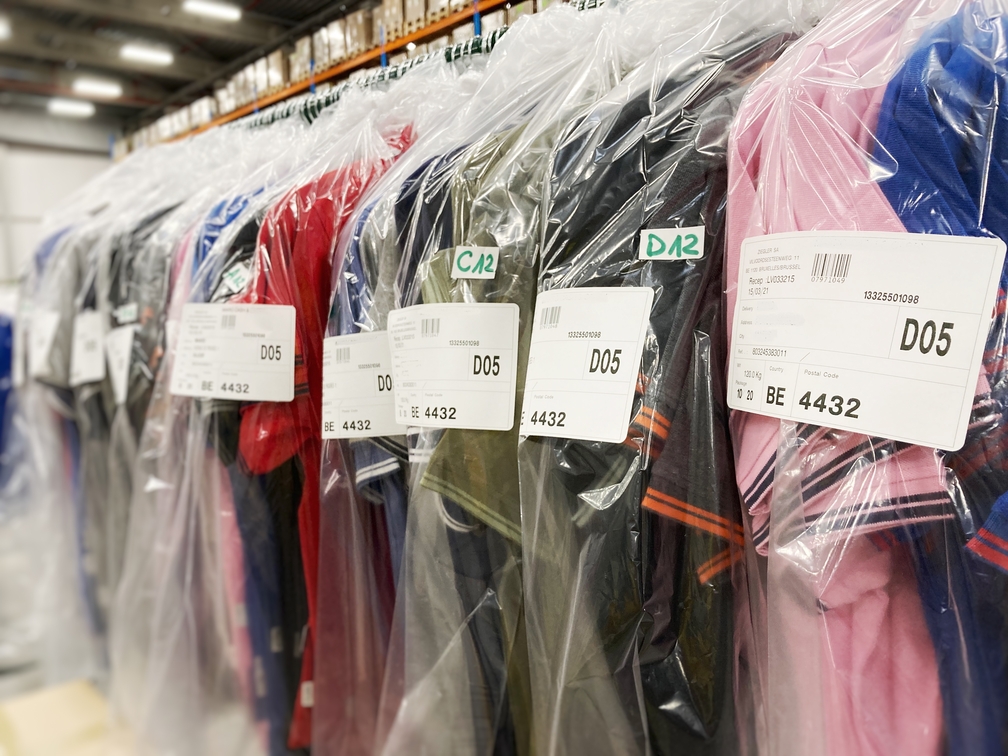
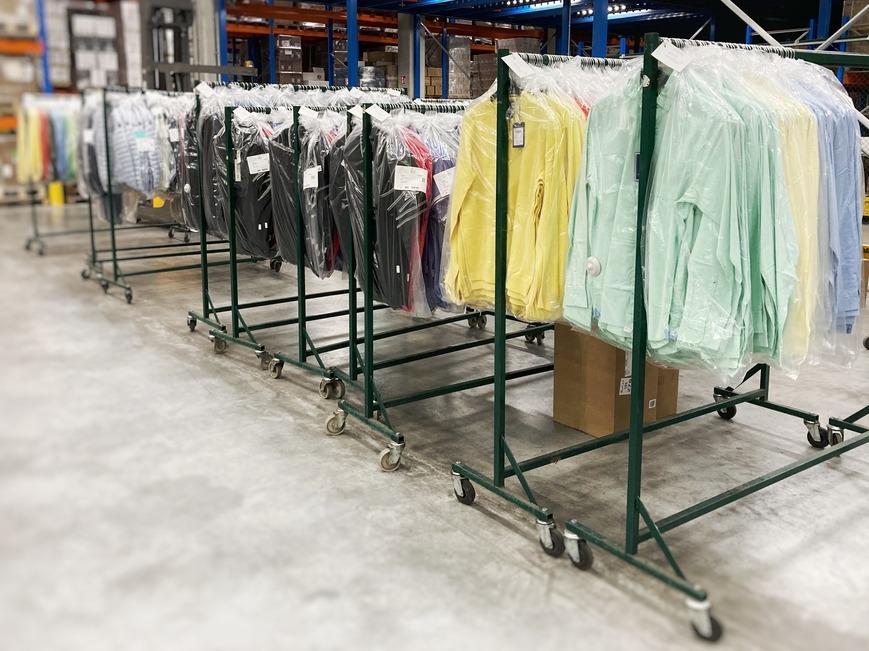
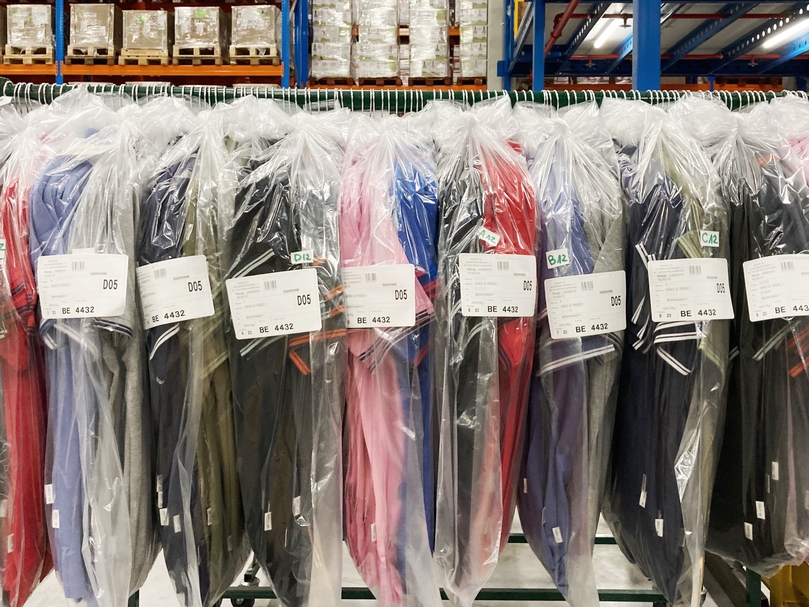
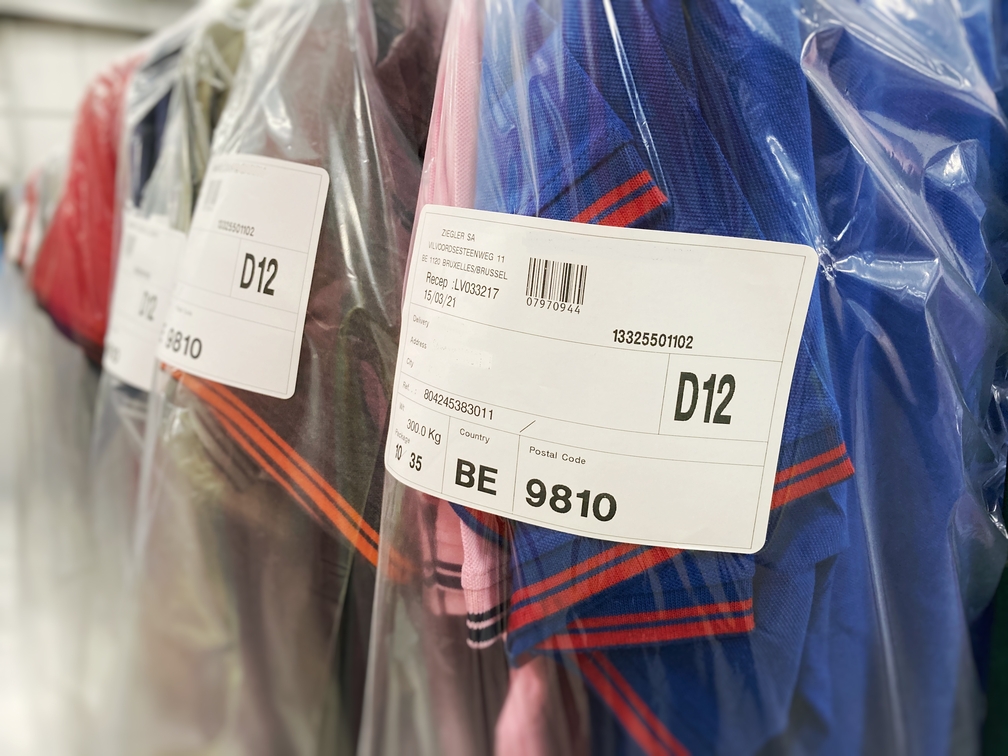
• Unpacking goods, attaching hangers, and placing in the correct arrangement on hanging racks or shelves
• Labeling and tagging
• Applying an alarm button to each item of clothing
• Kitting
• Preparation of size packs in foil sleeves
And many other tasks depending on our customers’ needs.
We also offer additional services for high-value fashion products. These can include but are not limited to securing products with silk paper, extra shipment security, adding labels to packages, and any other added-value our customer requires.
Our team has a wealth of supply chain experience and understands this market’s needs and characteristics, so we can offer you a service perfectly suited to your needs. We aim to provide you with the kind of support that will enable you to focus on your business and rely entirely on us for all of your supply chain needs.
Contact a Ziegler fashion supply chain specialist and find out how we can support you in your business.
Ziegler was founded 113 years ago in Brussels, Belgium. Since then, a lot has changed. The company has grown and developed. Ziegler now has branches in more than 15 countries. Belgium, however, is still where the headquarters is located as well as the operational activities of several branches.
Learn more about the characteristics and specialization of some of the Ziegler branches in Belgium.
Ziegler Aalst
Ziegler Aalst serves customers in a wide variety of industries including fashion, food, automotive and technical industries. It also helps with transporting goods such as textiles, food, clothing, lingerie, and wine on a daily basis. They transport goods mainly between southern Europe and Belgium. You can count on their daily arrivals and departures in Spain and Italy and at least two departures a week to Portugal and Greece. Ziegler Aalst has its own fleet of 50 trucks which are all equipped with loading ramps.
The wide variety of customer industries served by this branch has resulted in a high level of flexibility in the ability to adapt the warehousing conditions to the needs of each customer.
Contact:
Wijngaardveld 3
9300 Aalst
+32 053 / 78.71.72
jean-pierre_caignau@zieglergroup.com
Ziegler Kortrijk
Ziegler Kortrijk is known for their daily shipments for groupage, FTL, and LTL to France, Switzerland, and Italy thanks to a combination of direct back and forth transports and an extensive network of freight correspondents.
They cooperate with companies in a wide variety of industries, from heavy industrial machinery, general machinery, and machine parts for medical equipment, through to wood, glass, construction, and textile products. They also have extensive experience in transporting chemicals and hazardous materials as well as storage and full logistics services of these products. The warehousing solutions are always tailored to the needs of the product and the customer.
Contact:
Transportcentrum LAR – Blok B1
8930 Menen-Rekkem
+32 56 / 43.12.20
ziegler_kortrijk@zieglergroup.com
Ziegler Gent
Besides regular departures to Eastern Europe and Scandinavia, Ziegler Gent has the most frequent transport operations with the UK and Ireland, which is still true in 2021. Even now after Brexit you can benefit from their daily road departures to the UK and export/import for groupage, LTL, and FTL.
Ziegler Gent is equally experienced in the transportation and storage of harmless and dangerous chemicals, machinery, textiles, and medical devices.
They also offer dedicated supply chain solutions for their partners.
Contact:
Wiedauwkaai 7
9000 Gent
+32 09 / 264.08.11
Ziegler Welkenraedt
Ziegler Welkenraedt specializes in supply chain management for companies mainly in the construction, manufacturing, clothing, and automotive industries. They transport nearly all types of goods with the exception of chemicals and dangerous goods. Their own fleet, including special vehicles such as carriers and seedlings with tailgates, and almost a hundred employees at the branch enable them to offer daily departures for groupage, LTL, and FTL within Belgium and to other European countries.
Contact:
rue Mitoyenne 897
4840 Welkenreedt
+32 087 / 59.22.11
ziegler_welkenraedt@zieglergroup.com
It is worth keeping in mind that Ziegler Group operates a close-knit global network with 154 branches in more than 15 countries. In a further 80 countries, it cooperates closely with partner companies. This ensures close cooperation between the branches within a country as well as between countries. This results in a continuous exchange of experience, shared order processing, and division of tasks. This way, regardless of which Ziegler branch you contact, what industry or country you operate in, you can count on a comprehensive supply chain service and an offer that is always completely tailored to your needs.
Rail freight was historically the most popular form of goods delivery. With the growth of ocean freight and the introduction of air freight options, it is no longer usually the first choice of customers. But it’s worth taking advantage of the benefits it offers, especially with the reduced capacity of sea and air transport.
With rail freight between China and Europe, we can offer a fast and reliable alternative to air and sea freight. You can benefit from high departure frequency, increased flexibility, and often shorter transit times compared to sea transport. Rail transport is also more cost-effective and offers greater capacity than air transport. It is also the most environmentally friendly of all transport solutions.
Get answers to the most frequently asked questions about rail transportation.
How many departures are there per week?
This varies depending on the country. Usually, there are several departures a week on specific days of the week (for example, in Belgium, there are three or four departures a week depending on the season). In other countries, departures are planned on an ongoing basis depending on seasonal demand. Your Ziegler consultant will be happy to provide you with all the details.
What kinds of goods are transported to and from China with rail freight?
Everything except dangerous goods can be transported this way.
Is it possible to transport with controlled temperatures?
Yes, rail freight offers temperature-controlled conditions.
What is the maximum volume that the trains can handle?
The maximum volume is 41×40 HQ per train (max. 23 tonnes per container).
What kind of cargo consolidation do you offer?
We offer both Full Container Load (FCL) and Less-than-Container Loads (LCL).
Are there any stops between the departure point in Europe and China?
Yes, for formal reasons, there are two border stops in Poland and Kazakhstan.
Is it also possible to carry rail transport to other countries in Asia?
At the moment rail transport is only available between Europe and China.
What is the transit time?
Usually around 16 days.
Is the Track and Trace option available for the customer?
Yes, goods are tracked by GPS and all data is updated daily.
If you’re looking for economical and time-efficient transport for your goods, rail transport can answer your needs. Transit times are at least half those of ocean freight, and the price is often virtually the same. Contact a Ziegler rail-transport consultant and discover how rail freight can help your business.
